
Build an approval‑ready credit profile
Understand what’s driving your credit decisions, identify items that may be unfair or inaccurate, and take a structured next step toward stronger approvals and better terms.
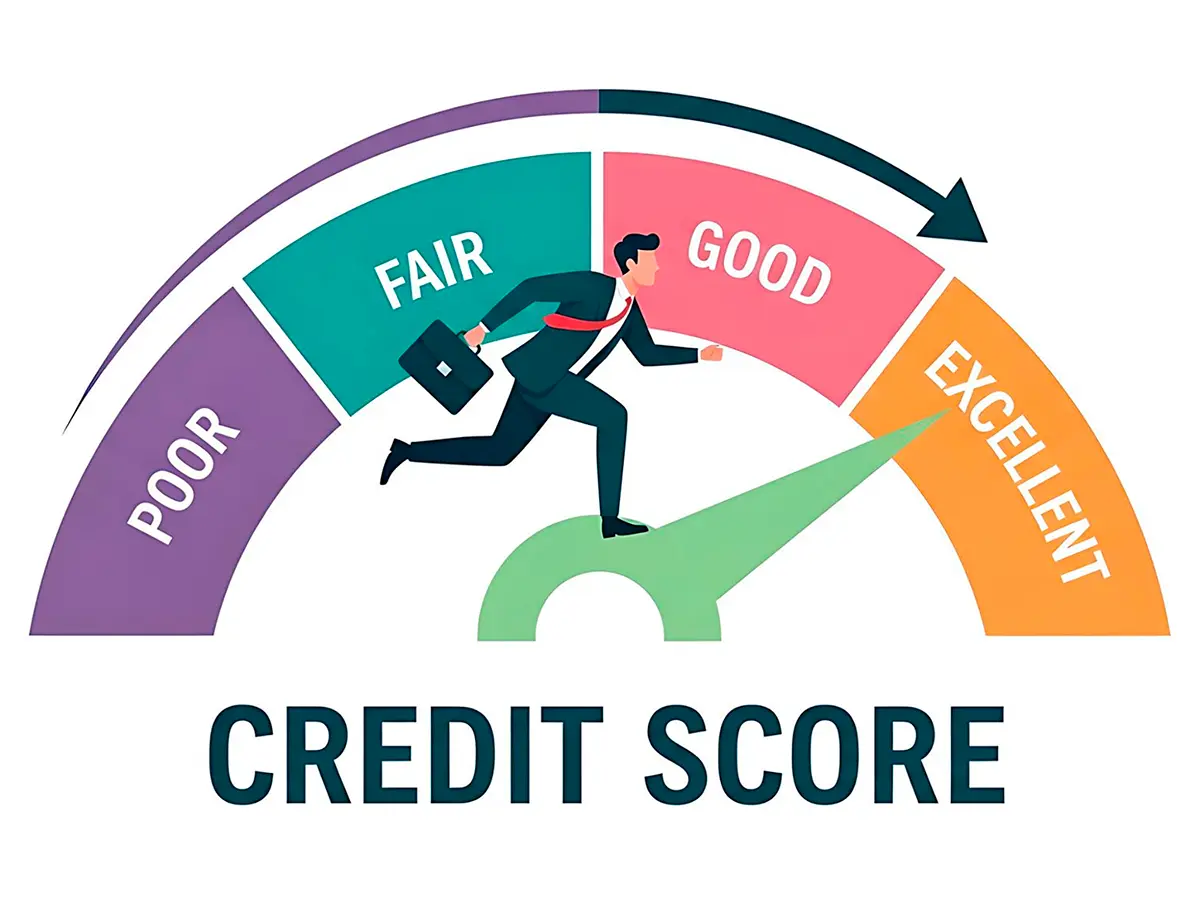
Built around established U.S. credit reporting practices and dispute procedures under the Fair Credit Reporting Act (FCRA). No unrealistic promises—just clarity, documentation, and structured credit improvement.
Unlock more options
Choose the outcome you care about. We’ll outline what improves it—and what to watch for—so you can move forward with confidence.
Your path to stronger credit
A stronger credit profile can mean better approval odds, improved loan terms, and more financial flexibility. Get a clear, no-fluff overview of what credit improvement can help you achieve — then take the next step when you're ready.
Credit decisions in the U.S. are typically influenced by payment history, utilization ratios, account age, recent inquiries, and the accuracy of reporting across major credit bureaus.
Even small inconsistencies can affect lending algorithms. A structured credit improvement approach focuses on verified data, responsible usage patterns, and consistent financial behavior.
*Results vary. This page does not guarantee outcomes.
How it works
A straightforward workflow used by reputable credit‑support programs: review, challenge what’s questionable, and build stronger habits while updates are processed.

Review your starting point
Clarify your goal and look at what’s currently affecting approvals and terms.

Identify what can be challenged
See what information is typically needed, what to expect next, and how the workflow usually looks.

Move forward
Continue to explore available options and take the next step toward better credit outcomes.
credit repair advisors with a results-first mindset
What effective advisors actually do
Reports get messy: outdated late payments, mixed files, collections that were paid but never updated. A strong credit repair advisor maps the mess. They pull all three bureaus, highlight each derogatory, and classify items by fixability: verified-but-accurate, unverifiable, or demonstrably inaccurate. Then they plan targeted disputes under the Fair Credit Reporting Act, challenge reporting gaps, validate debts, and, when appropriate, negotiate corrections or removals with careful documentation. Not every blemish can vanish, but accuracy can improve - and that alone often moves scores.
Good advisors time actions around bureau cycles, track letters and responses, and adjust tactics when creditors provide verification. They pair removals with positive-growth moves - lowering utilization, adding on-time data, and sequencing new accounts - so progress doesn't stall. Results vary by file complexity and creditor response, yet in many cases the first 30 - 60 days surface meaningful corrections.
How to select one
- Proof of compliance: Look for clear acknowledgment of consumer protection rules, especially no advance fees. Transparent contracts and disclosures matter.
- Specific plan, not slogans: Ask how they will prioritize items, what documents they need from you, and how they'll decide between bureau disputes and creditor validations.
- Measurable checkpoints: Expect timelines for each dispute cycle (typically 30 - 45 days), defined success criteria, and progress reporting across all three bureaus.
- Data security: Insist on secure handling of IDs, reports, and bank letters. Vague answers here are a hard no.
- Realistic promises: Anyone hinting at guaranteed 800 scores or "sweeps" is waving a red flag. An honest advisor will say "it depends" and then explain why.
- Specialization fit: If your file involves medical collections, identity theft, or student loan misreporting, choose someone who regularly handles those categories.
- Reputation trail: Check complaint patterns, response quality, and whether they publish sample dispute logic (with privacy preserved).
Performance you can reasonably expect
Advisors don't control bureau algorithms, but they do control process quality. A practical arc looks like this: document gathering in week one; first dispute batch sent within two weeks; bureau outcomes by day 35 - 45; refinements across two to four cycles. Some files respond fast; others take patience. You'll likely see the biggest gains from removing provable inaccuracies and from fixing revolving utilization, which an advisor should help you structure.
- Cycle cadence: 30 - 45 days per round, with reassessment after each response.
- Focus items: duplicates, obsolete negatives, paid-but-unupdated collections, misattributed late pays, and identity-mix errors.
- Score lift drivers: accuracy corrections plus utilization under 30% overall (and ideally under 10% on key cards).
A quick real-world moment
On a quiet Tuesday lunch break, Maya rang her advisor about a stubborn 90-day late from three years back. The advisor compared statements to the furnisher's reporting and spotted a payment misallocation. One tightly argued dispute later - citing dates, amounts, and the furnisher's own notices - the bureau updated the entry to "never late." Her mid-score nudged high enough to refinance at a better rate the following month.
Red flags and good signs
- Red flags: guaranteed deletions, pressure to dispute everything blindly, requests for false statements, or paid "special relationships."
- Good signs: item-by-item rationale, sample letters that argue facts (not form spam), and coaching on building positive history while disputes run.
Getting started
- Pull fresh three-bureau reports and freeze unused third-party data sources to reduce noise.
- Collect proof: payment receipts, settlement letters, identity documents, and address history.
- Rank negatives by impact and fixability with your advisor; start where evidence is strongest.
- Tackle utilization: request strategic credit line increases or redistribute balances to dilute high ratios.
- Review every bureau response, then iterate. Steady, documented pressure outperforms scattershot disputes.
The right credit repair advisor won't promise miracles. They'll offer a disciplined plan, careful documentation, and consistent follow-through. That's usually enough to bend the trajectory - sometimes modestly, sometimes more than you might expect.
Q: What can a financial counselor help me with? A: Repair your credit, create a savings plan, negotiate and pay off debt, open an affordable bank account...just ...
... Credit Repair, ASAP Credit Repair, Corey's credit repair, Improve That Credit, Better Credit Consulting, E&T Freedom Advisors, MPR Credit Repair, Sage Capital ...
Credit Repair This website will give you information on credit repair services offered by HighPoint Credit Advisors.
Frequently asked questions
A clear next step — without the guesswork
See what’s impacting approvals and what may deserve a closer look.
Understand how disputes are structured and what documentation matters.
Improve utilization, consistency, and long-term credit stability.
See what improving your credit could change
Take a structured next step based on your current profile — and decide with clarity.